Is Your LiquidSpring Suspension Riding Rough? Check the Steering Sensor
Anderson Fleet Service · Kinsman, OH
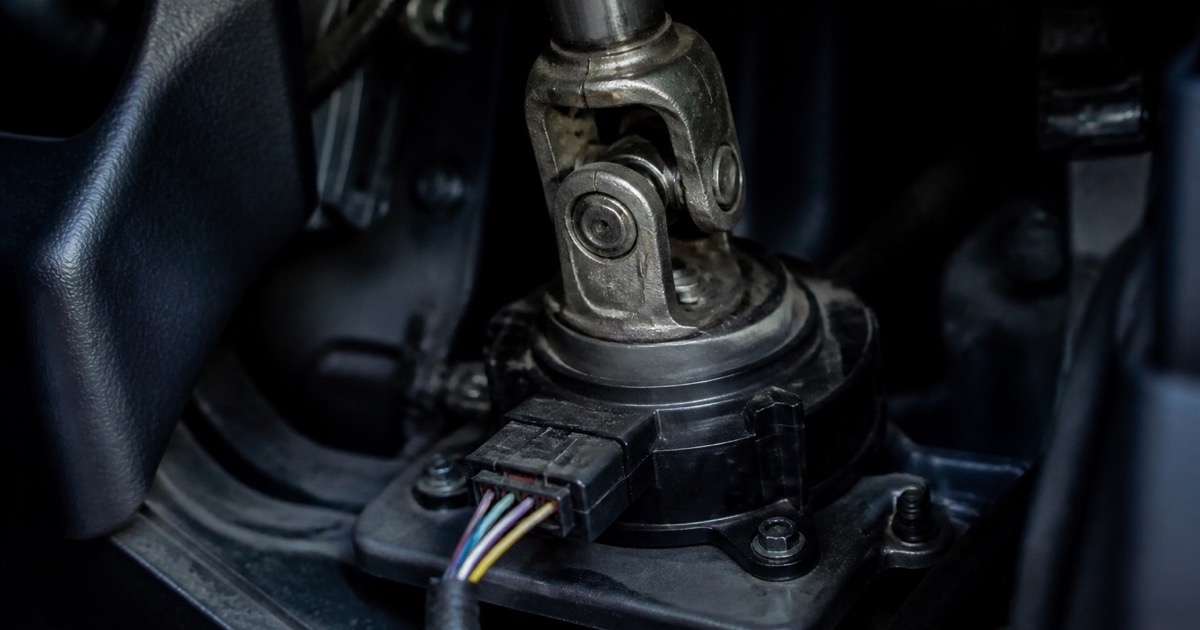
If your ambulance is equipped with a LiquidSpring suspension system and suddenly starts riding rough, there are several possible causes. One thing worth checking early is the steering angle sensor and its calibration.
LiquidSpring uses steering input to recognize when the vehicle is turning. During a turn, the suspension firms up to help control body roll, functioning much like an integrated sway bar.
When the steering sensor sends an incorrect signal, stops communicating, or isn’t calibrated correctly, the system may behave as though the vehicle is turning when it isn’t. The suspension can become unnecessarily stiff, making every bump and road imperfection more noticeable.
In an ambulance, that’s more than an uncomfortable ride. Excessive harshness can make it difficult for EMS personnel to provide patient care, start an IV, or perform other tasks while the vehicle is moving.
Here’s a simple check you can perform before moving on to more involved troubleshooting.
Step 1: Turn the key on and check the keypad
With the vehicle parked on a level surface, turn the ignition key to the ON position.
Look at the LiquidSpring control keypad. You should see four corner indicator lights positioned above and below the four directional arrows.
With the steering wheel centered, check whether all four corner lights are illuminated.
These lights provide a useful visual indication of the steering sensor’s calibration status.
- All four corner lights are illuminated: Proceed to Step 2.
- None of the corner lights are illuminated: Proceed to Step 3.
If the indicators don’t behave as expected, the steering sensor, its wiring, or the system’s calibration may require further investigation.
Step 2: Start the engine and check the indicators while turning
With the steering wheel initially centered, start the engine and observe the four corner indicator lights while slowly turning the steering wheel left and right.
The corner lights should go out as you turn the steering wheel, indicating that the system is recognizing steering input.
Return the steering wheel toward center and observe the lights again.
Pay attention to whether the indicators respond consistently as the steering wheel moves.
If the lights respond normally, the steering sensor appears to be communicating with the system. However, this check alone does not guarantee that the sensor is providing accurate readings or that the suspension system is operating correctly.
If the lights remain off, fail to respond, or behave inconsistently, continue with the calibration check below.
Step 3: Try recalibrating the system
If the four corner lights aren’t illuminated with the steering wheel centered, a steering sensor calibration issue is one possibility.
Before proceeding, make sure the vehicle is parked on a level surface, with adequate clearance around it.
Keep everyone clear of the vehicle while performing this procedure. The suspension will move through its height range.
Follow these steps:
- Park the ambulance on a level surface and apply the parking brake.
- Start the engine.
- Position the steering wheel as close to straight ahead as possible.
- Locate the up and down height arrows on the LiquidSpring keypad.
- Press and hold both the up and down height arrows simultaneously for approximately five seconds.
- Watch for the keypad indicators to begin flashing, indicating that the calibration procedure has started.
- Do not get into or out of the vehicle while calibration is in progress. Keep personnel clear of the vehicle and its moving suspension components.
- Allow the system to complete the procedure. The suspension will raise and lower through its travel as it establishes its center point.
- When calibration finishes, the keypad should return to its normal display.
After the procedure, check the four corner indicator lights again with the steering wheel centered.
Important: Follow the LiquidSpring service instructions applicable to your specific system and keypad. If the system doesn’t enter calibration mode or behaves unexpectedly, stop and consult the appropriate service documentation.
Step 4: Check the results
Once calibration is complete, observe the keypad with the steering wheel centered.
If all four corner lights are illuminated
This is a positive sign that the system recognizes the centered steering position and has completed calibration.
If the suspension still rides excessively hard, don’t assume the steering sensor is the cause. Additional diagnosis is needed to determine why the system is stiffening.
If the four corner lights remain off
A steering sensor problem is worth investigating.
Possible causes include:
- A faulty steering angle sensor.
- Damaged wiring or poor electrical connections.
- A loss of sensor communication.
- An incorrect sensor signal.
- A calibration procedure that did not complete successfully.
The next step is to diagnose the sensor circuit and verify the system’s reported steering angle and related faults using the appropriate service information and diagnostic equipment.
Replacing the sensor without confirming the fault can waste time and money.
Step 5: If the suspension still rides rough, investigate further
The steering sensor is only one possible cause of a harsh ride.
If the keypad indicators respond correctly and calibration completes successfully, but the ambulance still rides too hard, further examination is required.
Other suspension-related faults or operating conditions may be responsible.
The correct approach is to verify the system’s operation, check for diagnostic faults, and determine why the suspension isn’t delivering the expected ride quality.
Don’t simply accept a rough ride as normal. When an ambulance’s suspension isn’t functioning properly, it can affect both crew comfort and the ability to provide patient care while moving.
Need help with your LiquidSpring suspension?
At Anderson Fleet Service LLC, we specialize in mobile ambulance repair, electrical diagnostics, and specialty equipment troubleshooting.
If your LiquidSpring-equipped ambulance is riding rough, displaying unusual keypad indicators, or failing to calibrate, we can help investigate the problem and determine the appropriate next steps. Request service.
Don’t let a rough-riding ambulance compromise your crew’s ability to care for patients. Get the problem diagnosed before it becomes a bigger issue.
Related reading: Low Voltage, High Headache: Diagnosing a LiquidSpring Suspension Failure.
Rig down? Talk to the tech directly.
On-site ambulance electrical, equipment, and eLock work across Ohio and Pennsylvania. You reach Phil, not a call center.