On-site ambulance repair
CompX eLock vs. a Standard Lockbox: Securing Controlled Substances on Your Rig
Anderson Fleet Service · Kinsman, OH
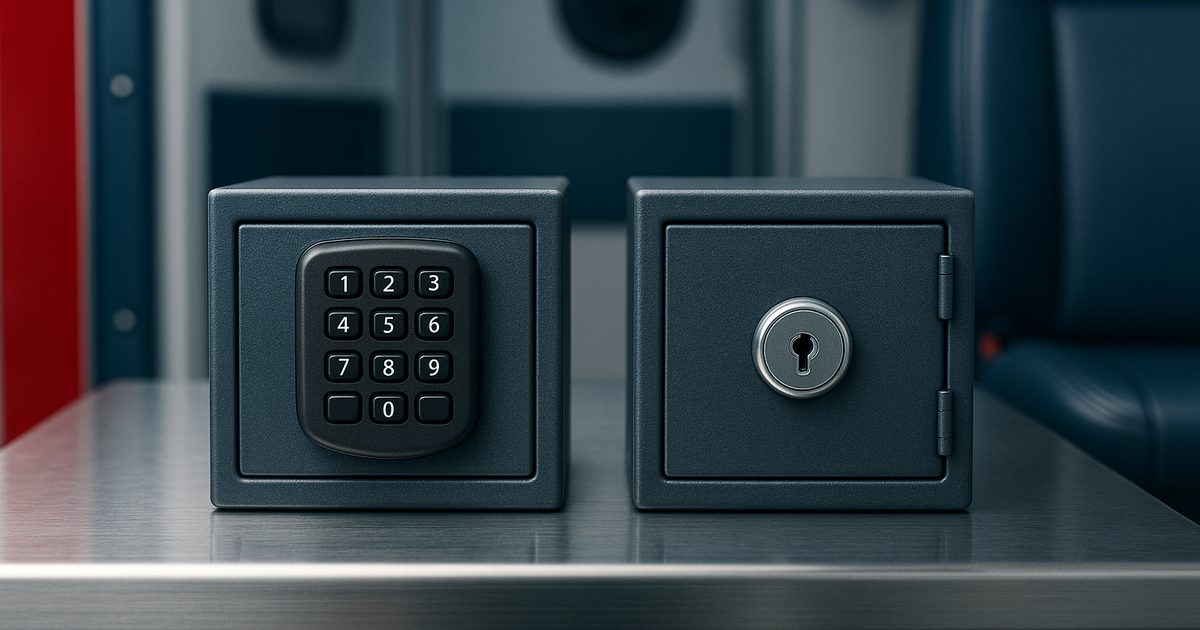
Every agency carrying narcotics needs a lock on them. The real question is which kind. Comparing a CompX eLock vs. a standard lockbox comes down to one thing regulators and medical directors care about most: accountability.
The standard lockbox: simple, but limited
A keyed metal lockbox keeps casual hands out, and for a long time that was the norm. The trouble is what it can't do. A key can be shared, copied, or lost. And a lockbox has no memory — if you need to know who opened it and when, you are relying on a paper log that is only as good as the person filling it out.
The CompX eLock: access control with a memory
An electronic lock like the CompX eLock replaces the key with a keypad or proximity credential and, crucially, records every access automatically:
- Controlled access — entry by code or HID prox card/fob, so access follows people, not copied keys.
- Automatic audit trail — a log of exactly which cabinet was opened, by whom, and when.
- Inventory options — RFID-based tracking with expiration and lot monitoring on supported systems.
- Networked or standalone — Wi-Fi/Ethernet models for central oversight, or standalone units that just work.
Which should you choose?
If you carry controlled substances, the audit trail alone usually makes the eLock worth it — it turns "we think we logged it" into a record you can pull on demand, which is exactly what a controlled-substance review wants to see. A standard lockbox can still make sense for low-risk, non-controlled supplies where accountability isn't the concern.
We supply and install both
As an authorized CompX dealer, we can outfit your rig with the right level of security and install it on-site. Not sure what your fleet needs? Ask us, and read our plain-English guide to DEA narcotics storage requirements.
Rig down? Talk to the tech directly.
On-site ambulance electrical, equipment, and eLock work across Ohio and Pennsylvania. You reach Phil, not a call center.